
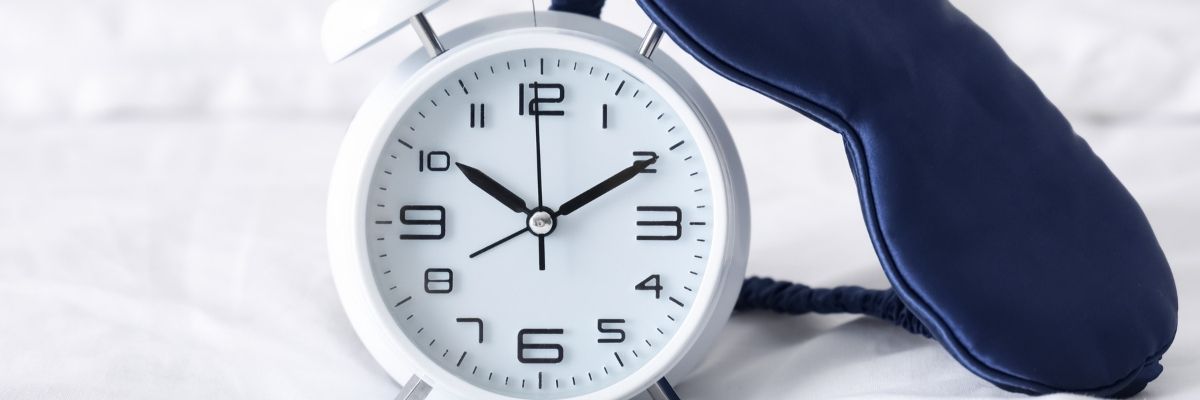
Ever feel like your brain is running on fumes? Like you’re slogging through your day, tasks taking twice as long and clarity feeling like a distant dream? We’ve all been there. But what if I told you there’s a simple, science-backed strategy you can use – right now – to boost your speed, sharpen your focus, and reclaim your mental edge? It’s called the micro nap, and it could be the secret weapon you’ve been searching for.
What Exactly Is a Micro Nap Anyway?
Forget images of long, luxurious afternoon snoozes. A micro nap isn’t about deep sleep; it’s about a brief, targeted rest designed to provide a quick jolt of energy and improved cognitive function. Think of it as a power-up for your brain, a mini-reboot that resets your system without leaving you feeling groggy. It typically lasts anywhere from 10 to 20 minutes, although even shorter naps can be surprisingly effective. The goal is to catch yourself before you fall into the deeper stages of sleep, maximizing the benefits while minimizing the risks of sleep inertia (that disoriented feeling you get after waking up from a longer nap).
Why Should I Even Bother with a Tiny Nap?
Okay, so it’s short. But does it actually work? The answer is a resounding yes! Research consistently shows that even short naps can have a significant impact on various aspects of cognitive performance and overall well-being. Here’s a taste of what a micro nap can do for you:
- Increased Alertness and Focus: Studies have demonstrated that micro naps can significantly improve alertness and attention levels. That afternoon slump? A short nap can banish it, leaving you feeling refreshed and ready to tackle your tasks.
- Improved Memory and Learning: Believe it or not, even a brief nap can help consolidate memories and improve learning. Your brain uses this time to process information and strengthen neural connections, making it easier to recall what you’ve learned.
- Enhanced Creativity: Feeling stuck in a creative rut? A micro nap can help you break free by allowing your brain to make new connections and generate fresh ideas.
- Reduced Stress and Improved Mood: A few minutes of quiet rest can do wonders for your stress levels. Micro naps can help lower cortisol (the stress hormone) and improve your overall mood.
- Boosted Productivity: All of the above contribute to a significant increase in productivity. When you’re alert, focused, and less stressed, you’re simply more efficient at getting things done.
Okay, I’m Intrigued! How Do I Actually Take a Micro Nap?
The beauty of the micro nap is its simplicity. You don’t need any special equipment or training – just a quiet place and a few minutes of your time. Here’s a step-by-step guide to mastering the art of the micro nap:
- Find a Quiet and Comfortable Place: This is crucial. Look for a space where you can minimize distractions. A quiet room, a comfortable chair, or even your car (parked safely, of course!) can work.
- Set an Alarm: This is non-negotiable. The key to a successful micro nap is to avoid falling into deep sleep. Set an alarm for 10-20 minutes. Experiment to see what works best for you. Some people find 10 minutes is plenty, while others prefer the full 20.
- Get Comfortable: Relax your body. Close your eyes and focus on your breathing. You can try some simple relaxation techniques, such as progressive muscle relaxation or guided meditation, to help you drift off quickly.
- Don’t Stress About Falling Asleep: The goal isn’t necessarily to fall into a deep sleep. Even just resting your eyes and clearing your mind for a few minutes can be beneficial. Think of it as a mental reset.
- Wake Up and Re-Engage: When your alarm goes off, get up and move around. Drink some water, splash some cold water on your face, or do some light stretching to help you feel fully awake.
Common Micro Nap Mistakes (and How to Avoid Them!)
Like any skill, mastering the micro nap takes practice. Here are some common pitfalls to watch out for:
- Napping for Too Long: This is the biggest mistake. Napping for longer than 20-30 minutes can lead to sleep inertia, leaving you feeling groggy and disoriented. Stick to the recommended timeframe.
- Napping Too Close to Bedtime: Napping too late in the day can interfere with your nighttime sleep. Avoid napping within a few hours of your bedtime.
- Napping in the Wrong Environment: A noisy, uncomfortable environment can make it difficult to relax and fall asleep. Find a quiet and comfortable place where you can minimize distractions.
- Not Being Consistent: The benefits of micro naps are cumulative. Make it a regular part of your routine to reap the full rewards.
- Relying on Naps Instead of Addressing Underlying Sleep Issues: Micro naps are a great tool, but they’re not a substitute for getting enough sleep at night. If you’re constantly feeling tired, talk to your doctor about potential sleep disorders.
Level Up Your Micro Nap Game: Advanced Techniques
Once you’ve mastered the basics, you can experiment with some advanced techniques to further enhance the benefits of your micro naps:
- The “Coffee Nap”: This involves drinking a cup of coffee immediately before taking a 20-minute nap. The caffeine takes about 20 minutes to kick in, so you’ll wake up feeling both refreshed and energized.
- The “NASA Nap”: Developed by NASA for astronauts, this technique involves taking a 26-minute nap followed by 34 minutes of wakefulness. It’s designed to optimize cognitive performance and reduce fatigue.
- Mindfulness Meditation Before Napping: Practicing mindfulness meditation for a few minutes before napping can help you quiet your mind and fall asleep more easily.
- Using White Noise or Binaural Beats: These sounds can help block out distractions and promote relaxation.
Making Micro Naps Work for Your Schedule
Integrating micro naps into your daily routine can seem challenging, but with a little planning, it’s entirely possible. Here are some tips for making it work:
- Identify Your Peak Fatigue Times: Pay attention to when you feel most tired during the day. This is the ideal time to schedule a micro nap. For many people, it’s in the mid-afternoon.
- Schedule It Like Any Other Important Appointment: Treat your micro nap as a non-negotiable appointment. Block out the time in your calendar and stick to it.
- Communicate Your Needs: Let your colleagues or family members know that you’ll be unavailable for a short period of time.
- Use Technology to Your Advantage: There are many apps and devices that can help you track your sleep cycles and optimize your nap times.
Micro Naps and Specific Professions: Who Benefits Most?
While anyone can benefit from micro naps, certain professions may find them particularly helpful:
- Shift Workers: Those who work irregular hours often struggle with sleep deprivation. Micro naps can help improve alertness and performance during their shifts.
- Students: Studying for long hours can be mentally draining. Micro naps can help students stay focused and retain information more effectively.
- Drivers: Drowsy driving is a major cause of accidents. Micro naps can help drivers stay alert and avoid falling asleep at the wheel.
- Entrepreneurs and Executives: These individuals often face high levels of stress and demanding schedules. Micro naps can help them stay sharp and make better decisions.
- Healthcare Professionals: Doctors, nurses, and other healthcare professionals often work long and irregular hours. Micro naps can help them maintain focus and provide the best possible care for their patients.
Frequently Asked Questions
- Will I feel groggy after a micro nap? If you stick to the recommended 10-20 minute timeframe, you should avoid sleep inertia and wake up feeling refreshed.
- Can I take a micro nap every day? Yes, you can! In fact, making it a regular part of your routine can maximize the benefits.
- What if I can’t fall asleep during the nap? Even just resting your eyes and clearing your mind for a few minutes can be beneficial.
- Are micro naps a substitute for a full night’s sleep? No, micro naps are not a substitute for getting enough sleep at night. They are a supplement to help you stay alert and focused during the day.
- Can micro naps help with jet lag? Yes, micro naps can help alleviate some of the symptoms of jet lag by resetting your body clock.
In conclusion, the micro nap strategy offers a quick and powerful way to enhance your speed and clarity throughout the day. Incorporate this simple technique into your routine and experience the transformative benefits of a well-timed mental reset.